Culture
The Quiet Flex
Why the loudest pieces in your wardrobe should be the ones nobody else notices.
Editorial Team · 6 min read · 4 April 2026
Why the loudest pieces in your wardrobe should be the ones nobody else notices.
There's a generation of streetwear that fetishised the logo. Big print across the chest. Branding on the sleeve. Tags left on the cuff for the photo. We came up after that wave — old enough to remember it, young enough to want a reaction to it.
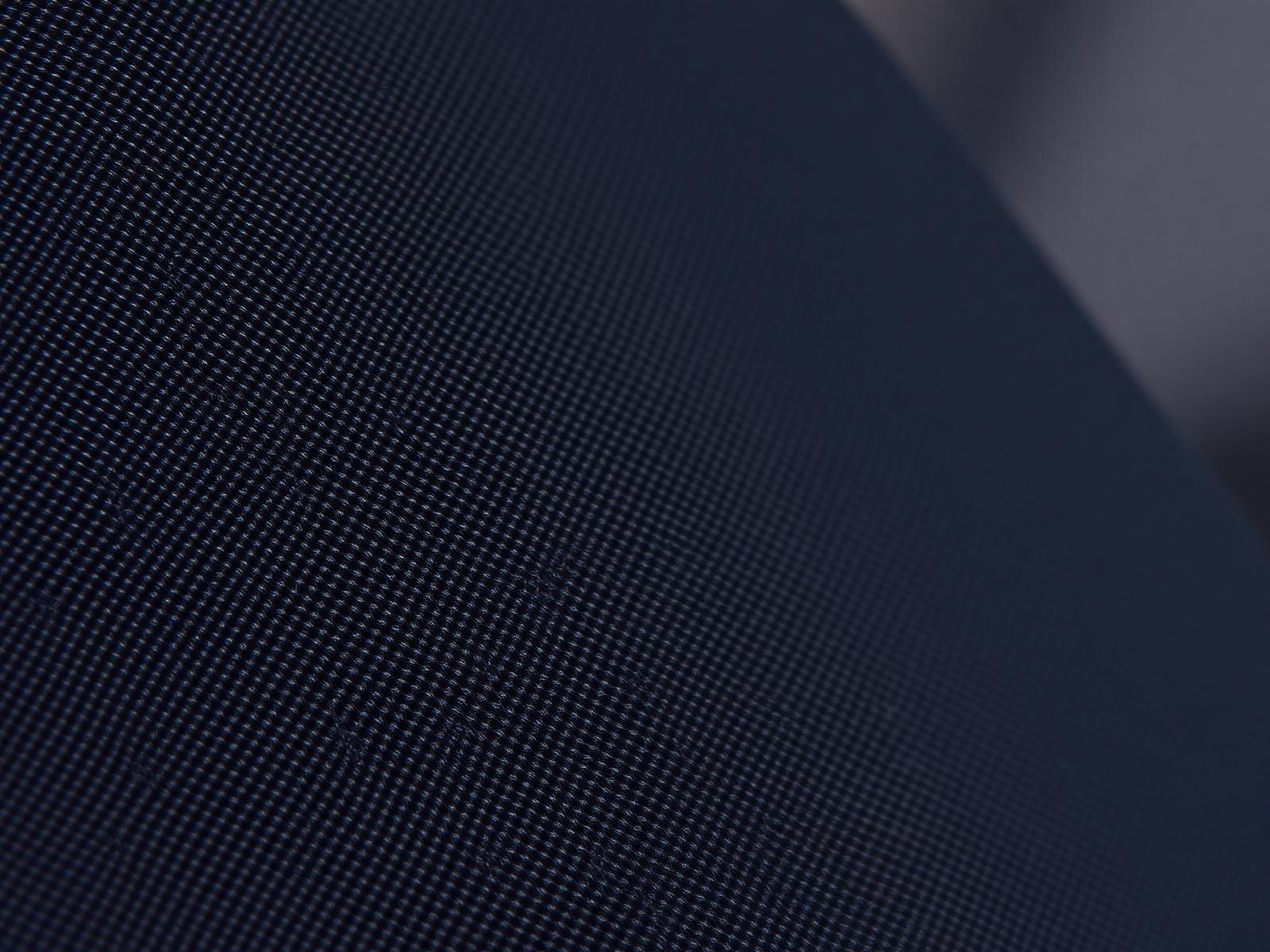
The flex now is fabric weight, stitching, fit — the stuff your boys notice three drinks in, when one of them runs a finger along the cuff and asks where it's from. The piece does the talking. You don't have to.
Hand-feel before anything else. If a piece doesn't make you want to put it back on the second you take it off, it's not finished. That's the test. Everything else — the print, the cut, the colourway — is downstream of that one moment.
Hardware that ages. Metal trims that bruise rather than chip. Cotton that softens rather than pills. Trims that develop a patina. Pieces that get better with time. That's the point.
"The flex is the piece nobody else can name — but everyone notices."
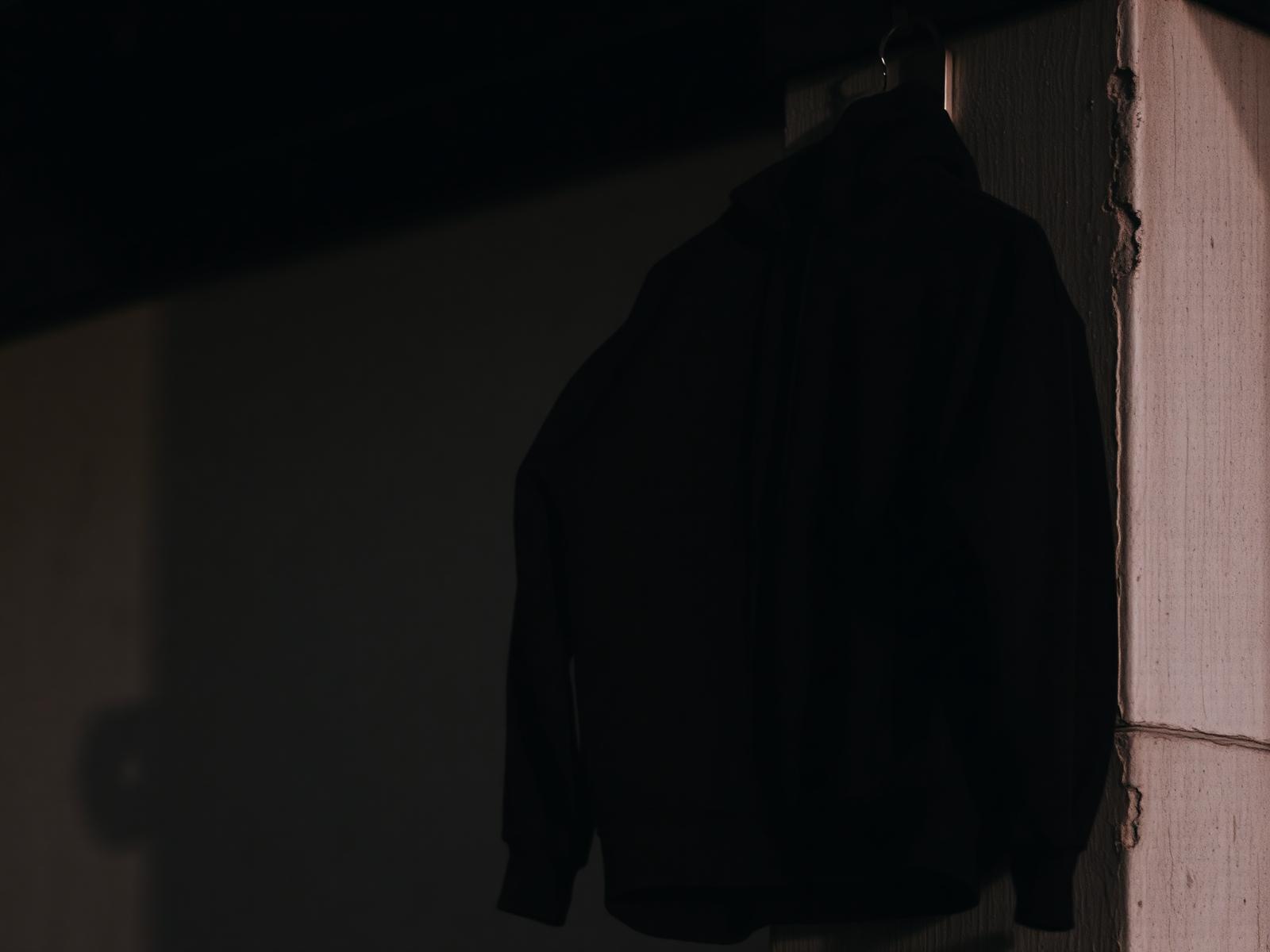
Loud pieces date. They lock you into the moment they were dropped, and the moment passes faster than the marketing cycle that made them. The quiet pieces — the perfect grey crewneck, the heavyweight black hoodie with no logo, the natural-cotton long sleeve — those slot into a wardrobe and stay there for years.
We're not anti-graphic. Half the pieces in our archive carry one. But the graphic only works if the garment underneath it earns the right to wear it. A bad logo on a great hoodie is forgivable. A great logo on a bad hoodie is a tragedy nobody will admit to.
If the answer to all four is yes, you're holding a quiet flex. If it's no, you're holding a logo.